ALL-IN-ONE
One platform to create, manage, and optimize your e-learning training?

Brain
The first AI trained to teach

Author
The #1 AI-powered authoring tool on the market

Factory
Custom e-learning content factory

Skills
Comprehensive power skills course catalog

LMS
All-in-one LMS platform with AI

Engage
App for managing frontline teams
Product

What is Brain?
Everything you need to know about the first AI trained to teach.

How does it work?
Adaptive, conversational, and contextual. That’s learning with Brain.

Security
Why your company’s knowledge never leaves your environment or trains other models.

Comparison
Discover what sets isEazy Brain apart from other AI solutions.

Frequently Asked Questions
Want to learn more? Find answers to all your questions about isEazy Brain here.
FEATURES

AINew
Unlock your full potential and speed up course creation with artificial intelligence.

Accessibility
Automatically meet accessibility guidelines—without sacrificing interactivity!

Interactivity
Boost engagement with interactive, ready-to-use activities that make learning fun.

Course Creation
Reduce the time it takes to create your e-learning courses with our authoring tool.

Distribution
We offer you different distribution options, so that nothing can stop you.

SCORM
Publish your course in SCORM format and share it on any LMS.
SERVICES

Instrucional Design
Surprise your students with multimedia and interactive content.

Custom Courses
We create e-learning courses for you—tailored to your needs and hassle-free!

Virtual Reality
Turn learning into an immersive experience.

Custom Avatars
Give your courses and videos a unique touch with personalized avatars.

Audiovisual FactoryNew
Turn training into something dynamic and visual with engaging videos.
CATALOG

Course catalog
Over 600 skills and competency courses to help you adapt to your team's needs.
Microsoft Copilot AcademyNew
Your professionals will learn how to apply Copilot AI to key processes within your organization.

Artificial Intelligence Academy
Train your teams in the practical use of AI to boost productivity and innovation in your company.

Cybersecurity Academy
Capacita a tu empresa con el catálogo más completo en seguridad digital corporativa.
FEATURES

Learning platform
Manage all your training from one place

Analitycs
Measure the impact of your training

Learning Experience
Offer a unique learning experience to your team
Content Library
Choose from hundreds of expert-created courses
Authoring Tool
Create your own content—faster than ever

Use cases
Choose the solution that best fits your needs

Industries
Solutions for all types of industries
USE CASES

Onboarding
Facilitate the onboarding process, productivity and engagement of your new employees.

Upskilling
Boost your team's skills and prepare them for the challenges of the future with upskilling.

Microlearning
Discover all the advantages of microlearning and boost your training results.

Gamification
Enjoy addictive training that will get your professionals hooked.

Internal Communication
Improve communication in your company and enjoy an aligned and committed team.

Mobile learning
Agile, flexible, and interactive learning—built for today’s digital-first workforce.
INDUSTRIES

Banking and financial services
Training in compliance, cybersecurity, customer service, and key skills development.

Pharmaceuticals and healthcare
Digital onboarding, regulatory updates, and ongoing training for healthcare staff.

Retail and consumer
Agile and scalable training for in-store, operational, and customer service teams.

Industry and manufacturing
Training in processes, safety, and corporate culture for distributed teams.

Education and training
Digital solutions for training centers, internal academies, and corporate universities.

Technology and telecommunications
Development of technical talent, digital skills, and upskilling and reskilling programs.
CLIENTS

MAPFRE
How MAPFRE turn e-learning into sales with isEazy

Pepco
A personalised learning experience for a growing team.

BBVA
Digitisation and creation of high quality e-learning content.

Shiseido
We increase the engagement of the training with a social and gamified app.

Telefónica
Large-scale reskilling for the company's digital transformation.

Vodafone
A personalised learning experience for a growing team.
More than 1,000 companies already rely on isEazy.





MEET ISEAZY

Events
Discover our upcoming events and connect with the future of e-learning.

News
Find out the latest news about isEazy: press releases, partnerships, updates...

Contact
Leave us your personal details and we will contact you as soon as possible.
About isEazyNew
Find out more about our company.

Careers
We are looking for the best talent, join our team!

Partners
Become our partner and grow your business.
INTERESTING RESOURCES

Blog
The best content on e-learning: trends, tools and key strategies.

Whitepapers
Gain valuable insights and stay ahead of industry trends.

Product releases
The latest news and releases of our e-learning products and solutions.

Glossary
Definitions of the most commonly used terms and key industry concepts.

Guides
Discover the best step-by-step tips and tricks to optimize your L&D strategy.

Webinars
Video sessions on our products, trends and more

Comparatives
Compare e-learning solutions available on the market and choose the most suitable one.


WEBINAR
Master AI in isEazy Author in under an hour.




GUIDE
Prepare your organization to comply with the new AI regulations

Stay up to date with all our latest news
 Subscribe to our newsletter
 Stay up to date with all our latest news

June 10, 2025

CONTENT CREATED BY:

Table of contents
Diversity, Equity, and Inclusion (DEI) training has become a crucial aspect of organizational development. As businesses around the globe embrace a diverse workforce, structured DEI initiatives are more important than ever. This post highlights the significance of DEI training, its purpose, benefits, and best practices for implementing effective training programs in your organization.
DEI, an acronym for Diversity, Equity, and Inclusion, represents a framework that promotes the fair treatment, visibility, and engagement of all individuals in an organization.
The main goal of DEI training is to foster an environment that encourages understanding, respect, and collaboration among a diverse workforce. Key objectives include:
Language significantly shapes workplace culture. Inclusive language creates a supportive environment where all employees feel acknowledged and respected. Companies should promote the use of terminology that reflects inclusivity and cultural sensitivity, encouraging employees to understand the importance of their words. Additionally, inclusive learning environments also rely on accessible technologies. With tools like isEazy Author, organizations can easily create e-learning courses that comply with international accessibility standards such as WCAG and Section 508, ensuring that training content is truly inclusive and available to all employees, regardless of their abilities.

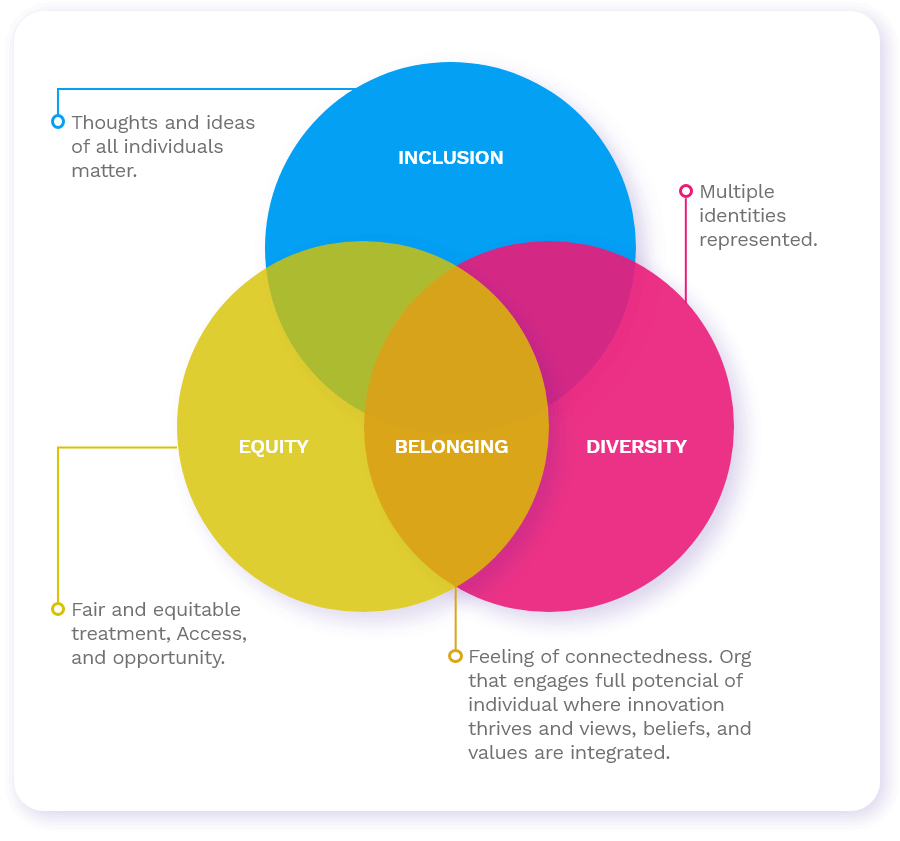
Although the terms equity and equality are often used interchangeably, they refer to very different concepts.
Understanding DEI terminology is essential for effective training. Key terms include microaggressions, implicit bias, intersectionality, and allyship. Keeping up with language trends shows a commitment to continual learning and adaptation—an essential element of DEI initiatives.
Staying up to date with linguistic trends is a way to adapt and show a genuine commitment to continuous learning. In a constantly changing world, using the correct terminology not only reflects professionalism but also an inclusive and respectful approach that enriches both the work and social environment.
A diverse workforce brings various perspectives, fostering creativity and innovation. Organizations should prioritize inclusive recruitment strategies, such as:
Equity within an organization ensures all employees have the necessary tools to thrive. Strategies for promoting equity include:
Creating an inclusive environment involves establishing a culture of openness and respect. It can be fostered through initiatives such as:
Take a look at this article, in which we’ve outlined the essential components of an effective corporate training program.
This foundational training introduces employees to the concepts of diversity and the importance of a diverse workplace. It covers:
Unconscious bias training helps employees recognize their inherent biases and how these biases affect their decision-making. Effective strategies include:
This training educates employees about microaggressions and oppression within workplace dynamics. It includes:
Organizations increasingly host cultural and religious sensitivity training to boost awareness of diverse cultural practices and beliefs. Key components involve:
Focused on skills development, this training aims to improve interpersonal skills essential for effective teamwork. Its features include:
Leaders significantly shape organizational culture. Training for management includes:
Allyship training empowers individuals to be active bystanders against discrimination and microaggressions. It includes:
Employees who feel valued and included tend to report higher job satisfaction and loyalty. A strong DEI initiative can enhance workplace morale and reduce turnover rates.
Companies committed to DEI are better positioned to attract a diverse range of candidates, enriching their workforce and ultimately strengthening their market position.
Organizations known for their commitment to diversity and inclusion build stronger community ties. Positive public perception can improve brand reputation and loyalty, driving customer engagement.
A diverse workforce fosters varying perspectives, which are essential for creativity and innovation. Companies with strong DEI practices can leverage this diversity to become more adaptable and innovative.
According to a report by the consulting firm McKinsey & Company organizations with robust DEI programs perform better financially. By cultivating an inclusive culture, companies can directly influence their productivity and profitability.
A diversity audit helps an organization assess its current DEI status, identify gaps, and establish clear objectives for improvement. This ensures that training programs are tailored to the unique needs of the organization.
Effective DEI training programs should be customized according to the organization’s goals and employee demographics. Testing these modules beforehand can refine the content and delivery methods.
Building a culture of inclusion requires participation from all levels of the organization. Leaders should encourage feedback and active involvement from all employees throughout DEI initiatives.
To keep DEI training relevant, organizations should establish mechanisms for ongoing feedback. Regularly soliciting employee feedback on training effectiveness can lead to meaningful improvements.
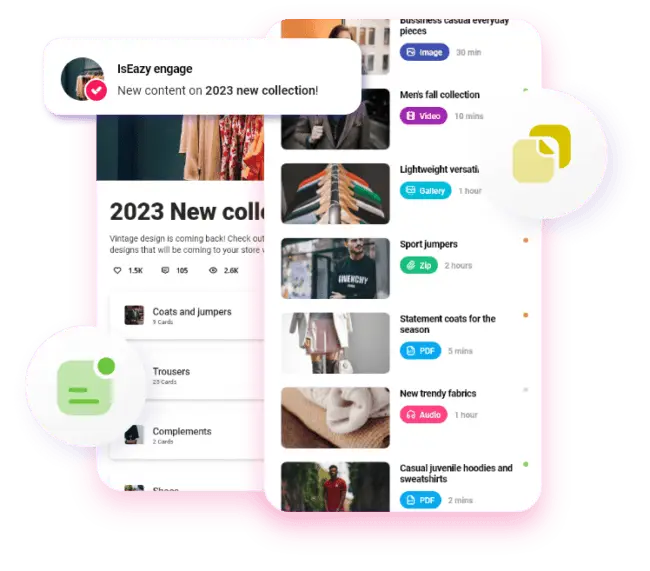
Today’s workforce is increasingly mobile, making it essential for DEI training to be accessible through various platforms. Utilizing isEazy Engage can facilitate on-the-go learning, allowing employees to engage in DEI training whenever and wherever it suits them best.
An effective LMS, such as isEazy LMS, can streamline training processes, track employee progress, and generate reports, enabling organizations to measure the effectiveness of their DEI initiatives.

The success of DEI training relies heavily on leadership commitment. Leaders should openly express their support for DEI initiatives and serve as role models for inclusive behavior.
Resistance to DEI training can be common, but it is crucial to cultivate an atmosphere where employees feel safe to voice their concerns. Open dialogue can help clarify misunderstandings and alleviate fears about the training.
Tracking the impact of DEI training can be complex. Automating these processes using tools like isEazy LMS allows organizations to monitor effectiveness and make data-driven improvements.
DEI training shouldn’t be a one-off event. Organizations must offer continuous learning opportunities to reinforce the concepts taught during training and adapt to emerging trends.
Acknowledging achievements related to DEI initiatives helps motivate and validate employees’ efforts. Celebrating milestones—both large and small—can enhance engagement and commitment to DEI principles.
To ensure lasting change, organizations must go beyond one-time DEI training sessions. A road map with clear, actionable strategies should be developed to integrate DEI principles into every facet of the organization.
Utilizing technologies such as isEazy LMS can provide scalable solutions to manage ongoing DEI training and support efforts across the organization, keeping priorities aligned with changing needs.
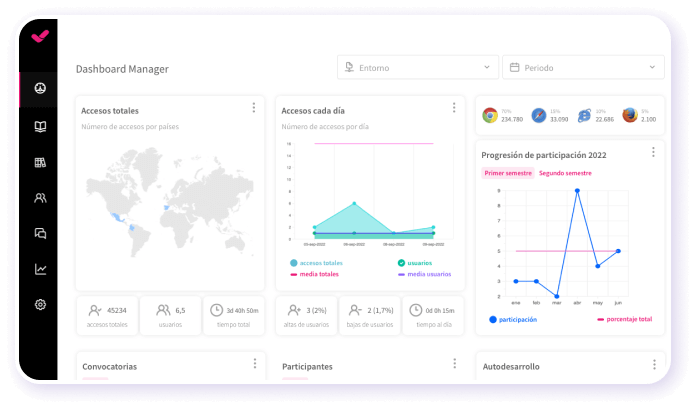
Commitment to DEI must focus on long-term goals and adaptability to market changes. Organizations should weave DEI principles into their strategic planning and business models to remain competitive.
To enrich the employee experience, DEI initiatives should be integrated with existing education and mentorship programs. This approach enhances overall growth and development opportunities for all employees.
DEI training is essential to building an inclusive and forward-thinking workplace culture. When organizations commit to diversity, equity, and inclusion, they unlock new perspectives, empower their teams, and foster meaningful change that drives long-term success.
At isEazy, we believe that inclusive learning should be accessible, impactful, and engaging. Our complete suite of e-learning solutions is designed to help you implement and scale your DEI initiatives—from content creation to training delivery and learner engagement.
Ready to transform your workplace? Discover how isEazy can support your DEI journey and request a demo.
DEI Training offers companies a wide range of strategic advantages. It helps boost employee retention by fostering a workplace where individuals feel respected and valued. It also drives creativity and innovation by embracing diverse perspectives and experiences. Furthermore, DEI Training promotes higher productivity by encouraging authenticity and engagement among employees. On a broader scale, it enhances talent acquisition, strengthens a company’s global reputation, and contributes to outperforming competitors through improved overall performance and profitability.
To understand where they stand, companies should begin by conducting a thorough assessment of their current culture and practices. DEI Training often includes tools and frameworks that help analyze key metrics—such as pay equity, workforce demographics, and the effectiveness of current inclusion policies. Identifying gaps and evaluating the level of inclusivity are critical steps in determining how close a company is to achieving a truly diverse, equitable, and inclusive environment.
Authenticity is key for DEI Training to have a meaningful and lasting impact. When DEI efforts are driven solely by business outcomes, they can come across as performative, leading to employee disengagement and a lack of trust. Genuine DEI Training reflects a real commitment to building an inclusive culture. It fosters trust, boosts morale, and increases employee loyalty by showing that the company values diversity not just as a metric but as a core principle.
There are several actionable strategies that DEI Training can help implement. These include developing inclusive hiring processes, promoting adaptive and respectful communication, and ensuring equitable access to career development opportunities. DEI Training can also support work-life balance policies tailored to diverse needs and help build safe, supportive environments. Continuous training for both employees and leadership is vital for reinforcing inclusive behaviors and sustaining an inclusive culture.
DEI Training is foundational to the success of any DEI initiative. It educates employees and leaders on the value of diversity and provides them with practical tools for inclusive behavior. Through structured training programs, organizations can raise awareness, break down biases, and create a shared understanding of what inclusion looks like. This not only promotes a more inclusive workplace but also ensures that DEI policies are meaningfully integrated into the company’s daily operations and culture.

GUIDE
Prepare your organization to comply with the new AI Regulations
Download guide


All Your Training Needs in One Powerful Tool!
Training management, content library, course creation, and progress tracking—everything in a single subscription!


All Your Training Needs in One Powerful Tool!
Training management, content library, course creation, and progress tracking—everything in a single subscription!